

How a Coffee Espresso Machine Works
Understanding how complex devices operate can make them easier to use and appreciate. You can also determine which device is right for you.
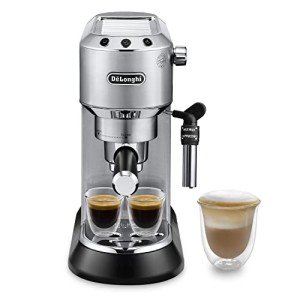
Two important factors in espresso machines are pressure and temperature. Water should be between 195 and 204 degrees Fahrenheit to ensure optimal flavor extraction.
Pressure is also important however, too much pressure can ruin the taste of the coffee. The ideal pressure for coffee is nine bar.
Types
If you are a coffee lover and prefer an intense, fuller-bodied taste than a standard drip machine espresso makers might be the right choice for you. Espresso is a concentrated brew that is created by pushing pressurized water close to the boiling point through finely ground coffee in the portafilter. A variety of machines have been created to produce espresso, but all share certain elements.
The most popular type utilizes an engine that pumps heated brewing water pre-heated through the system to produce high pressure. The pump can be powered either by gas or electricity. There are many kinds of pumps that create different levels of pressure.
Many espresso machines let users decide whether to use pre-packaged coffee pods or freshly ground coffee beans. Fresh grounds are more flavorful and allows the user to modify the strength of the coffee and saves money over time, as opposed to purchasing pre-packaged pods.
These machines usually have a built-in grinder that can start the process with high-quality, fresh coffee grounds. Most also feature a steam wand that can be used to produce the hot, frothy milk that's often used in drinks such as cappuccino and the latte.
Manual espresso machines might not be as popular as semi-automatic or automatic alternatives, but they do offer more control over the variables that determine when to cut off (end) a shot. In addition, these types of machines can be adjusted to meet varying preferences by the user, for example, adjusting the size of the shot or strength of the coffee.
These espresso machines are equipped with a reservoir that stores water as well as a portafilter handle and a spigot, which is where the ground coffee is brewed. The spigot is secured within the grouphead, and the espresso shots are pulled through the portafilter. The majority of these machines have a control panel that allows the water temperature, timing of brewing, as well as the amount of pressure can be changed. They are usually controlled by an electric switch, however some are operated by a lever that can be operated by hand.
Origins
In the beginning, when there was no espresso coffee, brews were created by circulating steam-water mixtures over ground coffee under pressure. Baristas were required to work hard and spend a lot of time in this. As coffee became more and more popular and more popular, the demand for a quicker method of making it increased. The concept for the espresso machine came from this.
Angelo Moriondo patented his steam machine in 1884. It pushed water and steam under high pressure through tamped pucks that ground coffee. Achille Gaggia's hand-pumped espresso machines improved upon the original design in 1947. This model applied more pressure to the coffee and allowed it to extract more colloids and oils. It also contributed to the production of crema, which is the golden-colored layer that adorns an espresso cup. Gaggia advertised his machines through rhymes and targeted advertisements in entertainment and sports. The machines became known as Cimbali and the word espresso was affixed with these copper structures.
Luigi Bezzera, a Milanese manufacturer, was a barista with the expertise to design more efficient espresso machines than his competitors. He made several improvements to the original Moriondo invention and introduced portafilters, multiple brewheads and other innovations that are associated with espresso makers today. He was also the first to register a patent for single-shot espresso. This was the first step in making the espresso that we love today.
Desidero Pavoni was a cafe owner and entrepreneur who was influenced by the invention of Bezzera. He bought a piece of the patent and launched the "Ideale", his version. The model is not akin to modern espresso machines, but was the first one to be made available for commercial use.
Pavoni's espresso machine was the first one to create a thick, creamy crema by applying pressure. This was a significant advancement for coffee. He also reduced the temperature of the boiler and used a valve that allowed for pressure to increase and down on a regular basis. This improved the consistency of the brew as well as reducing the loss of heat. The pump was a major improvement for the espresso maker, and is an integral part of today's espresso machines.
Variations
There are many kinds of espresso machines, each with different processes and a distinct beverage. Ultimately, the choice of machine depends on what kind of coffee you prefer. Espresso is different from other coffee drinks by the way the beans have been ground and the type of water used, as well as the amount of pressure applied during the brewing process.
One of the most popular is the pump-driven espresso machine which uses an electric pump to push water through a filter basket that contains ground coffee and a metal filter. This type of machine is likely to be the easiest to use and doesn't require any special skills. It's also one of the cheapest coffee espresso machines.
Another option that is popular is a manual espresso machine which lets you control important brewing variables like the temperature of the water and pressure. Espresso tastes best when the water is between the 195 and 204 degree Fahrenheit range The ideal pressure is between 15 to 9 bar. These machines usually have a group head where you lock the portafilter into. You can choose from single- or double-wall filtering baskets. They come with a handle that can be turned to secure the basket to the machine.
A French press coffee machine is a good alternative for those looking to bring a more rustic, European style of brewing into the office. These machines are made of metal or glass and comprise an lower chamber that houses grounds, and an upper chamber that houses an internal filter that is placed over the top. Pour hot water over the beans, wait several minutes, then remove the upper chamber to enjoy a delicious strong, bold cup of espresso.
Capsule machines are a sleeker alternative that could be an excellent addition to an office. They operate by heating the pod of coffee inside, which is placed into a cup of hot water, creating a smooth, full-bodied and rich coffee without a lot of effort. They are also easy to clean, and are a great option to a workplace where there are a lot of one-on-one or group meetings.
Benefits
You can save time and money by investing in an espresso machine and a coffee maker, whether you own a café or work in a workplace. By avoiding the need to go out and wait in long lines at the coffee shop early in the morning, you will be able to start your day off right. This will give you the energy to stay focused and on task throughout your day.
Many espresso and coffee machines come with features that allow you to manage all aspects of brewing. This includes extraction settings, temperature and brew size. With these controls, you can make drinks exactly as you would like and with the exact scents and flavors you desire. You can also select models that use coffee pods or whole ground coffee, which lets you make an array of different drinks using the same machine.
Some of the most sought-after espresso and coffee machines are built using materials that are durable. This means they can withstand the rigors of use while providing exceptional flavor and aromas. Many machines are designed to be easy to clean, which helps you keep your workplace clean for both your staff and your customers.
Modern technology in espresso machines also help to reduce energy and waste costs. Modern coffee and espresso machines can cut down on water waste for example, by only filling the machine up to the desired level when it is ready to use. This eliminates the necessity of refilling the tank, which will cut down on water consumption and energy usage.
Some machines also have a system that detects when the water is empty and shuts it off after the brewing process is completed. This means that baristas don't have to constantly check and refill the reservoir, which will help reduce the risk of spills of water.
stovetop espresso maker and coffee machines also have advanced cleaning features that remove calcium deposits from the machine's pipes. This process is commonly referred to descaling and is accomplished by wiping all the parts of the coffee and espresso maker using a mixture of vinegar and warm water. It is recommended that you descale your machine at least once a month, but some makers recommend that you do it as often as every three months.